Stress is a normal part of life, but when it becomes chronic, it can affect much more than your mood and energy levels. One area that is often overlooked is sexual wellness. Many people experience a decrease in libido during stressful periods, and the connection between stress and libido is backed by scientific research.
Whether stress comes from work, finances, relationships, or everyday responsibilities, understanding how it affects your body is the first step toward restoring a healthy sex drive. The good news is that simple lifestyle changes can make a meaningful difference.
What Is the Connection Between Stress and Libido?
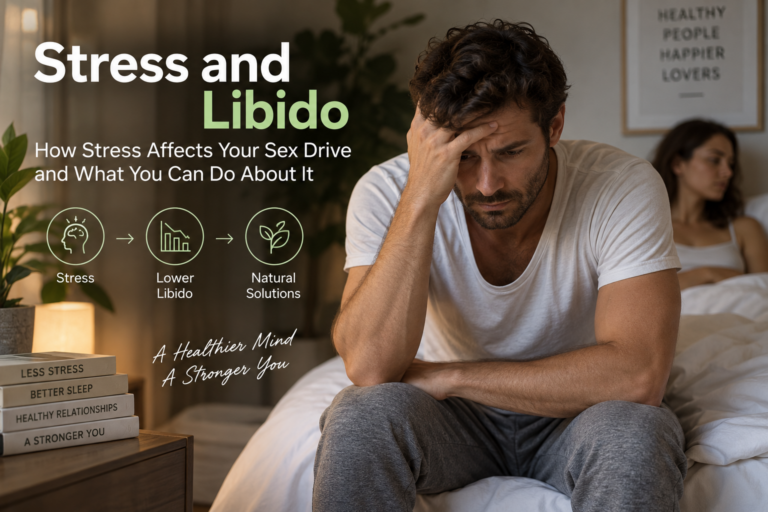
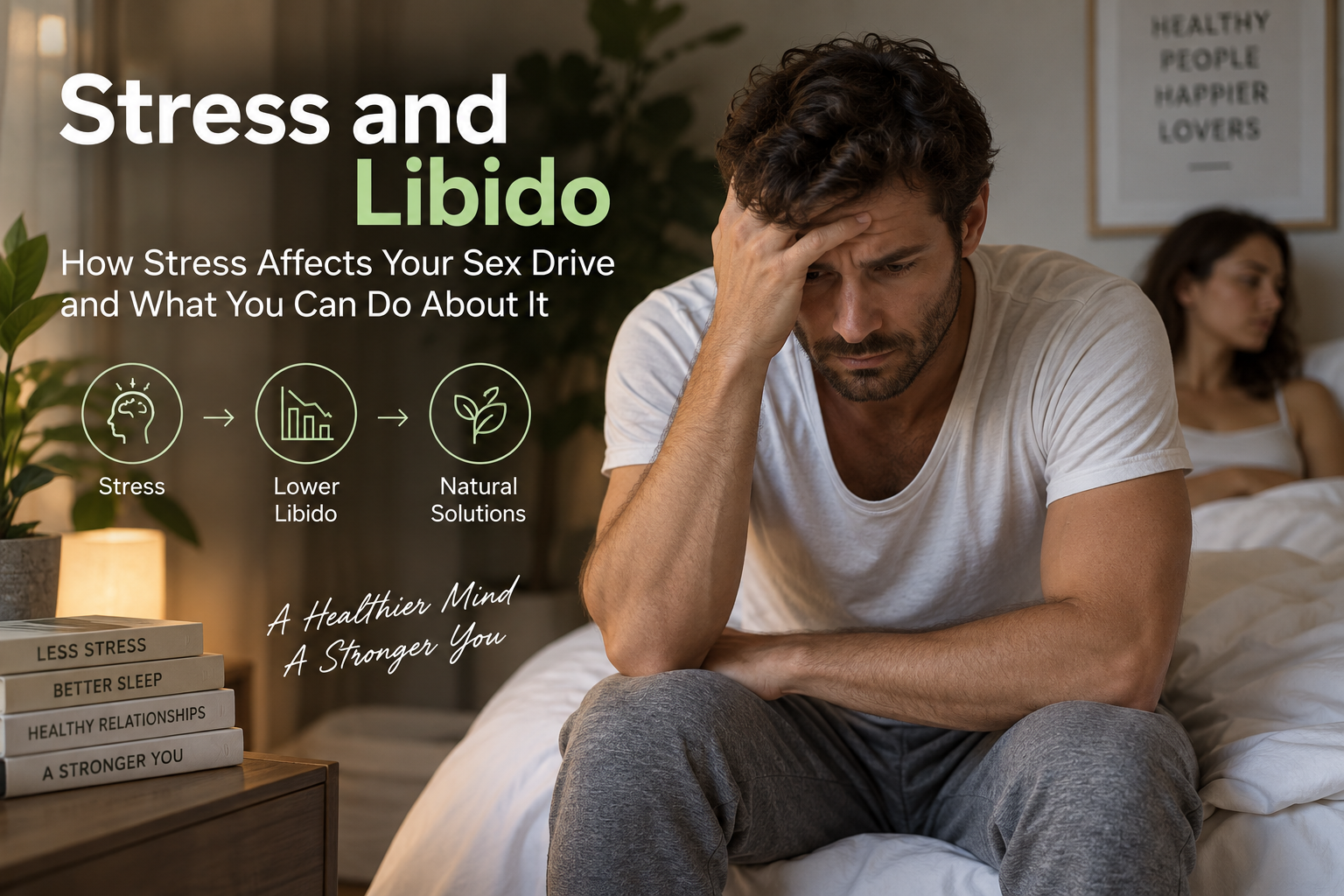
Stress triggers the release of cortisol, often called the “stress hormone.” While cortisol is essential for helping the body respond to challenges, consistently elevated levels can interfere with hormones that influence sexual desire and performance.
High stress can also reduce energy, increase anxiety, disrupt sleep, and make it harder to feel emotionally connected with a partner. Over time, these effects can contribute to a noticeable decline in libido for both men and women.
How Stress Affects Your Body
Chronic stress impacts several systems that are closely linked to sexual health.
Hormonal Balance
Long-term stress may affect the production of hormones involved in sexual desire, making it more difficult to maintain a healthy libido.
Sleep Quality
Stress often leads to poor sleep, and inadequate rest can lower energy levels, reduce hormone production, and negatively affect mood.
Mental Wellbeing
Anxiety, constant worry, and mental exhaustion can make it difficult to relax and enjoy intimacy. Performance anxiety may also become a contributing factor.
Blood Flow
Stress can influence blood circulation, which plays an important role in sexual function, particularly in men.
Signs That Stress May Be Affecting Your Libido
You may notice that stress is influencing your sex drive if you experience:
- Less interest in sexual activity
- Difficulty becoming aroused
- Lower energy levels
- Trouble maintaining an erection
- Increased irritability or anxiety
- Difficulty sleeping
- Feeling emotionally disconnected from your partner
Occasional changes are normal, but persistent symptoms may indicate that stress is taking a toll on your overall wellbeing.
7 Natural Ways to Reduce Stress and Support a Healthy Libido
1. Prioritize Quality Sleep
Aim for seven to nine hours of quality sleep each night. Good sleep supports hormone balance, improves mood, and gives your body the opportunity to recover from daily stress.
2. Exercise Regularly
Physical activity is one of the most effective natural stress relievers. Exercise helps reduce cortisol levels while improving circulation, energy, and overall health.
3. Practice Mindfulness
Meditation, breathing exercises, and mindfulness techniques can help calm the nervous system and reduce the effects of chronic stress.
4. Eat a Balanced Diet
A diet rich in vegetables, fruits, lean proteins, healthy fats, and whole grains provides essential nutrients that support both physical and sexual health.
5. Strengthen Emotional Connection
Open communication and quality time with your partner can reduce emotional stress and strengthen intimacy, both of which support a healthy libido.
6. Consider Science-Backed Natural Supplements
Some natural ingredients, including ashwagandha, maca root, Panax ginseng, and L-arginine, have been studied for their potential to support stress management, energy, and sexual wellness. High-quality, science-backed supplements may provide additional support when combined with healthy lifestyle habits.
7. Make Time to Relax
Whether it’s reading, spending time outdoors, listening to music, or enjoying a favorite hobby, taking regular breaks helps reduce stress and improves overall wellbeing.
Can Reducing Stress Improve Libido?
For many people, yes. When stress levels decrease, the body is better able to regulate hormones, improve sleep quality, restore energy, and support emotional wellbeing. These improvements often contribute to a healthier sex drive over time.
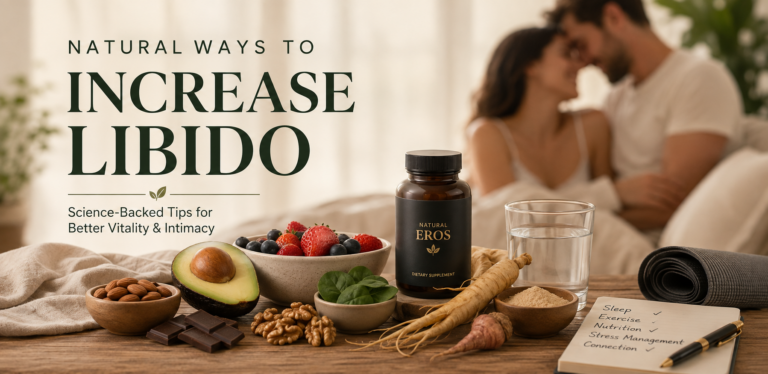
Managing stress is one of the most effective ways to support sexual wellness, but it’s only one piece of the puzzle. Factors such as quality sleep, regular exercise, balanced nutrition, and healthy daily habits all contribute to better sexual health. Learn more in our guide on Natural Ways to Increase Libido.
If stress is affecting not only your libido but also your ability to maintain an erection, lifestyle changes may also help improve erectile function. Read our article How to Maintain an Erection Naturally for practical, science-backed advice.
When Should You Speak With a Healthcare Professional?
If low libido continues for several months, significantly affects your quality of life, or is accompanied by symptoms such as fatigue, pain, or hormonal changes, it’s important to consult a healthcare professional.
Persistent changes in sexual desire may sometimes be linked to underlying medical conditions that require evaluation.
Frequently Asked Questions
Can stress cause low libido?
Yes. Chronic stress can increase cortisol levels, disrupt hormone balance, reduce energy, and make it more difficult to feel interested in sexual activity.
Does anxiety affect sex drive?
Yes. Anxiety can interfere with arousal, emotional connection, and overall sexual confidence, which may lower libido.
How long does it take to recover libido after stress?
Recovery varies from person to person. As stress decreases and healthy lifestyle habits improve, many people notice gradual improvements over several weeks or months.
Can natural supplements help with stress and libido?
Some science-backed ingredients may support stress management and sexual wellness. They are generally most effective when combined with healthy sleep, nutrition, regular exercise, and stress reduction.
Final Thoughts
Stress is an unavoidable part of life, but it doesn’t have to take a lasting toll on your sexual wellness. By improving sleep, staying physically active, eating a balanced diet, managing stress effectively, and supporting your body with healthy daily habits, you can naturally promote a healthier libido.
Small, consistent lifestyle changes often lead to the greatest long-term improvements, helping you feel healthier, more energetic, and more connected in every aspect of life.